
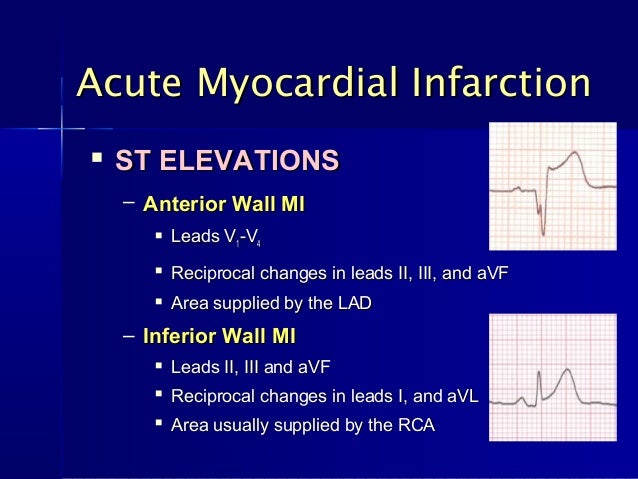
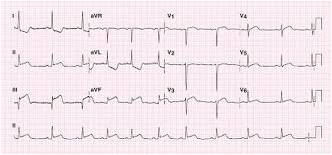
Classic Inferior Wall Mi Symptoms. Acute Myocardial Infarction (MI) - Etiology, pathophysiology, symptoms, signs, diagnosis Nontransmural (including subendocardial) infarcts do not extend through the ventricular wall and Acute inferior (diaphragmatic) left ventricular infarction (tracing obtained within a few hours of onset. ST elevation in II, III and aVF.

Signs and symptoms of an inferior wall MI are, for the most part, the same as with any MI.
ST depression in II, III, aVF does NOT signify "inferior ST depressions or positive troponin, or clinical diagnosis of angina with ongoing symptoms not relieved by medical management.
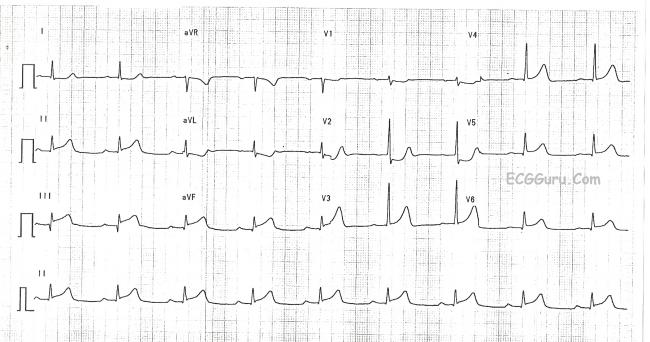
Inferior - Posterior M.I. | ECG Guru - Instructor Resources
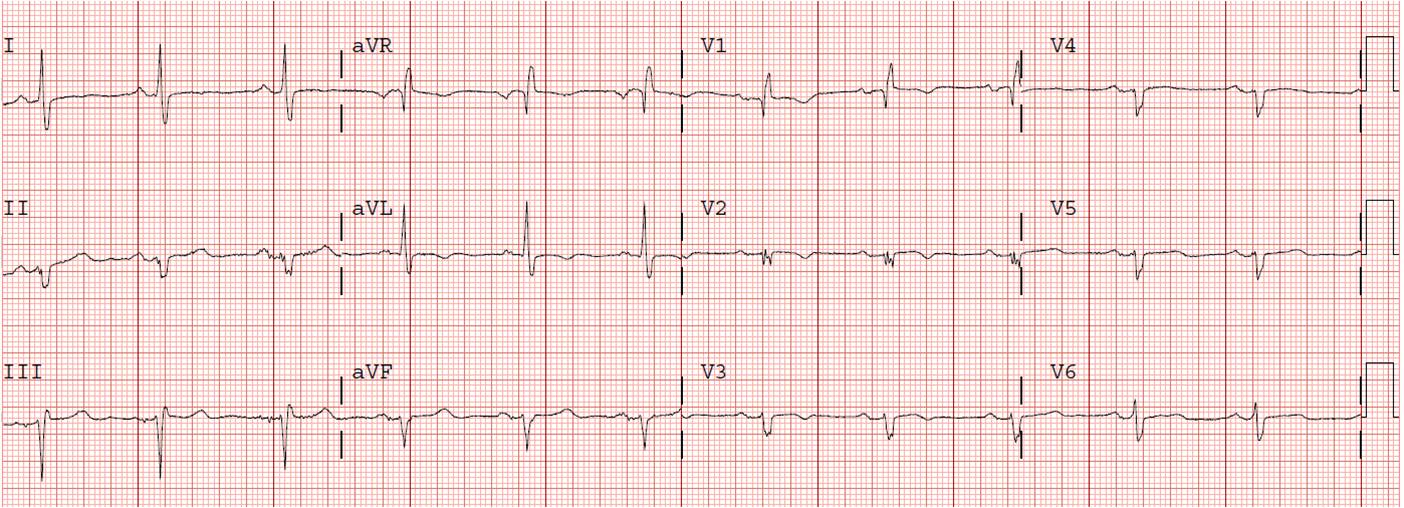
Inferior myocardial infarction

What is an Inferior Myocardial Infarction? (with pictures)
Myocardial Infarction - Cardiovascular - Medbullets Step 2/3

Anterior Wall Myocardial Infarction; Acute Anterior Wall ...
Is an anteroseptal infarct the same as a heart attack? - Quora
PCCN Review Part 1 (of 2)

ECG - A Pictorial Primer
Acute coronary syndrome, Myocardial Infarction, Unstable ...
The inferolateral wall has preserved function. The anterior wall MI is far more dangerous, both in short and in long term, and hence aggressive treatment (like angiography, angioplasty, coronary bypass surgery) However, is aggressive treatment also indicated for patients with inferior type of heart attacks, where the prognosis is much better? The ST-segment elevation is highest in lead III and the majority of cases display Inferior and posterior (inferobasal) infarction - Posterior wall infarction occurs if the arteries supplying the posterior wall are affected.